Sustainable and Fresh Pet Food Refill Packaging for Modern Pet Owners
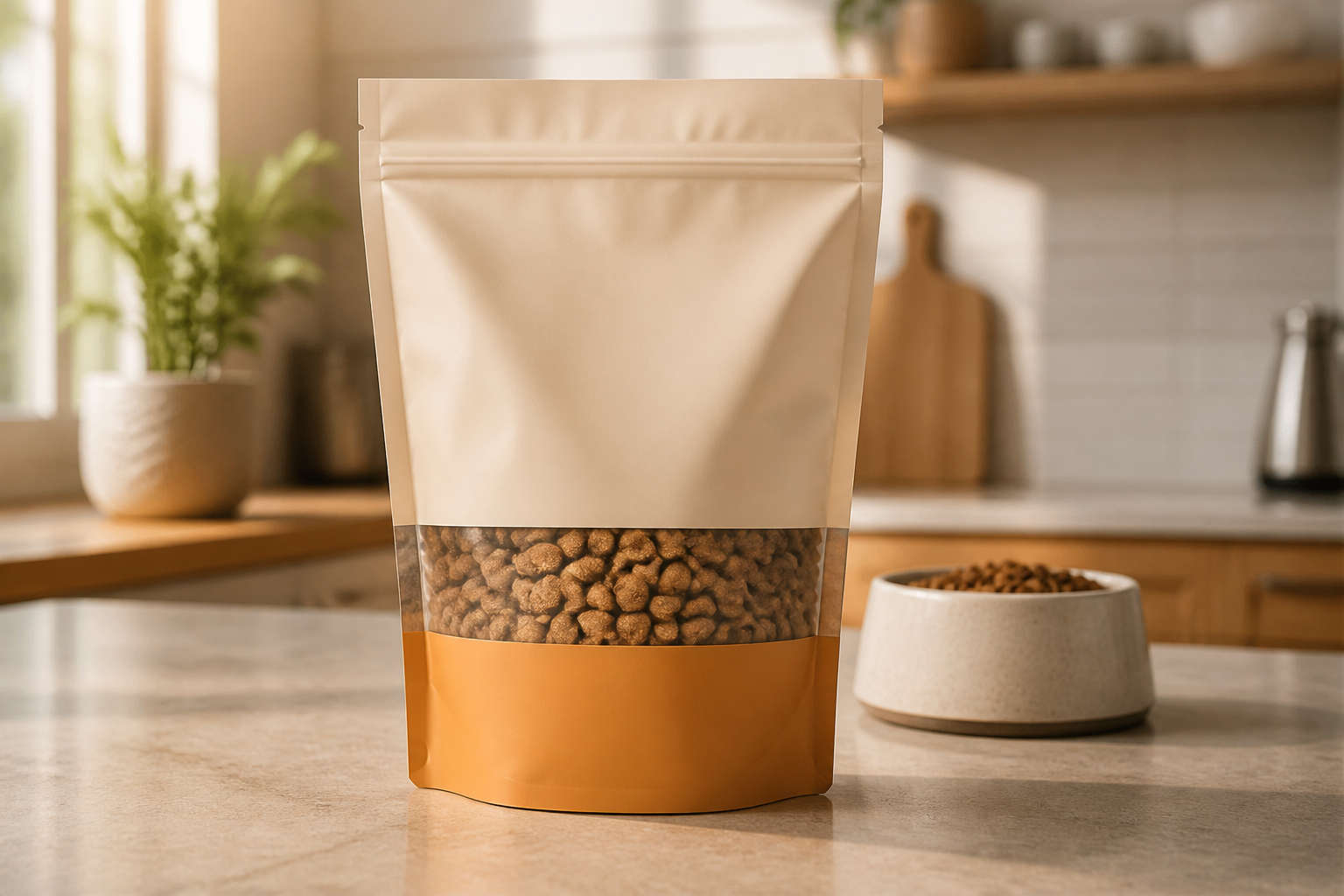
Pet ownership has evolved from simple companionship to a dedicated lifestyle focused on health, wellness, and sustainability. For modern pet owners, providing high-quality nutrition to their furry friends is a priority, but so is the environmental impact of their consumption habits. This shift has led to a significant increase in the demand for refillable pet food systems. By purchasing dry kibble in bulk or specialized refill pouches to top up permanent airtight containers, pet owners can reduce single-use plastic waste while ensuring their pets consistently have fresh food.
For pet food manufacturers, this trend presents a unique opportunity to optimize packaging formats. A refill pouch is not merely a transport vessel; it must protect the nutritional value of the kibble, prevent oxidation, and provide a user-friendly experience at home. Achieving these goals requires a deep understanding of material science and the implementation of advanced packaging technology.
The Evolution of Pet Food Refill Packaging
Traditionally, pet food was sold in large, cumbersome bags that were difficult to store and even harder to keep sealed once opened. The modern refill routine has introduced more compact, manageable pouch sizes that fit seamlessly into the "refill, reuse" cycle. These pouches are designed to be light enough for easy handling but durable enough to withstand the weight of dense kibble.
This evolution is driven by the rise of urban living, where storage space is at a premium. Pet owners now prefer packaging that can stand upright in a pantry and features easy-pour spouts or wide-mouth openings. This cultural shift has necessitated a move away from generic large-format bagging toward more sophisticated pouch designs that offer both value and functionality.
Maintaining Kibble Freshness: The Role of Barrier Materials
The biggest threat to dry pet food is exposure to oxygen and moisture, which causes the natural fats in the kibble to go rancid and degrades the vitamin content. To ensure long-term freshness, refill pouches must employ multi-layer barrier films. These typically include layers of polyethylene (PE), nylon, and sometimes metalized films or aluminum foil to block UV light and gas transmission.
Maintaining a reliable seal is equally critical. Even the high-performance barrier materials are ineffective if the seal area is contaminated with fine kibble dust during the filling process. This is why high-performance HP-520 vacuum packing machines are so vital; they ensure that air is managed effectively and the seals are reinforced to prevent any leakage over the product's shelf life.
Pouch Formats for Pet Food Refills
The stand-up pouch (Doypack) has become the gold standard for pet food refills. Its gusseted bottom allows it to stand independently, making it easier for owners to pour kibble into bowls or storage bins. For premium brands, flat-bottom pouches offer a high-end look and maximum shelf stability. Some manufacturers also opt for side-gusset bags, which provide a large surface area for branding and feeding instructions.
Convenience features like resealable zippers and laser-scored tear notches are now considered essential. These features allow pet owners to use the pouch multiple times without needing external clips. Integrating these features into a production line requires a versatile 200-type premade pouch packing machine that can handle different bag sizes and closure types with high precision.
The Technical Requirements for Pet Food Packing Machines
Pet food kibble is abrasive and varies in size and shape, which can make consistent dosing a challenge. Packing machines must be equipped with multi-head weighers or volumetric fillers that can handle the flow of the product without crushing the kibble. The machinery must also be robust enough to handle the dust naturally generated by dry food, featuring enclosed filling zones and dust extraction systems.
Hygiene is another critical factor. While dry pet food is less sensitive than liquid sauces, the equipment must still be easy to sanitize to prevent the buildup of oils and fine particles. Food-grade stainless steel construction and tool-less disassembly for cleaning are standard requirements for machines destined for the pet food industry.
Automation and Precision in Large-Format Filling
As pet food refill packs often weigh between 500g and 2kg, the filling equipment must be capable of handling significant weight with high accuracy. Precision weighing systems ensure that every customer receives the exact amount promised on the label, protecting the manufacturer's profit margins and brand reputation. Automated systems also reduce the need for manual handling, minimizing the risk of contamination.
Modern packaging lines for pet food are often fully integrated, from pouch feeding and weighing to sealing and date coding. This level of automation allows for high production speeds while maintaining strict quality control. The ability to switch between different bag formats quickly is a major competitive advantage for contract packers who serve multiple pet food brands.
Sustainability in the Pet Food Supply Chain
The push for refillable packaging is inherently linked to the global effort to reduce plastic waste. Manufacturers are increasingly exploring recyclable and compostable mono-material films for their refill pouches. While these materials present new challenges for heat-sealing technology, modern packaging machines are being adapted with more precise temperature and pressure controls to accommodate them.
By moving toward refill models, pet food brands can significantly reduce their total carbon footprint. The lighter weight of flexible pouches compared to rigid plastic containers also reduces transportation costs and fuel consumption. This commitment to the environment resonates deeply with today's pet owners, who view their pets as family members deserving of a healthy planet.
Conclusion. Sustainable and fresh pet food refill packaging is the future of the industry. By combining advanced barrier materials with high-precision packaging technology, manufacturers can meet the dual demands of convenience and nutritional integrity. As pet owners continue to prioritize value and environmental responsibility, the refill routine will remain a central pillar of the modern pet care experience.
← Back to News